 Latest
#161 — How AI Automagically Built My New Choir Calendar
An A.I. Postcard from StrefaTECH
Read on Substack →
Practical, honest writing about AI and technology for nonprofit leaders. 161 issues and counting.
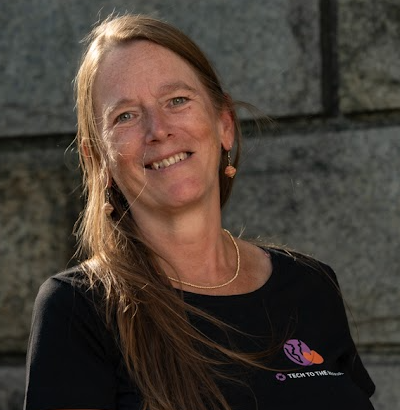
I've spent years in nonprofit technology consulting and IT leadership — the room where technology meets mission, and where good intentions don't always survive contact with the tools.
StrefaTECH is my way of making sense of it all: one idea at a time, for people who care about doing it right. No vendor hype, no academic jargon. Just practical thinking from someone who's been in the room.
In issue #150, I launched a reader survey asking where you see yourself on the AI adoption curve. Here's what you're telling me so far.
Early responses cluster on the Slope of Enlightenment and Plateau of Productivity — almost no one is stuck or disillusioned. The innovation graveyard, it turns out, is empty. And across every stage, nobody expects to be using less AI in six months.
The clearest ask from open-text responses: more practical how-tos. Safety — both as a topic of interest and as a real barrier to moving faster — came up often and unprompted.
I'm delighted by the early response. I'd love to hear from more of you — it takes about 2 minutes and genuinely shapes what I write about.
Take the survey →The three circles aren't just a logo — they're the whole idea.

What's actually happening in AI, data, and tech — researched, sourced, and fact-checked before it lands in your inbox.
The tools, platforms, and practices that matter to the sector right now — not last year's news.
The context, constraints, and mission realities that shape how technology actually works — or doesn't — in your organization.
A sampling of what's been on my mind lately.
Latest
An A.I. Postcard from StrefaTECH
Read on Substack → Also Recent
A StrefaTECH grab-bag of quick tips from my AI travels.
Read on Substack → Also Recent
A StrefaTECH grab-bag of quick tips from my AI travels.
Read on Substack →If you're here from my NTC talk — welcome. The question I posed isn't rhetorical. The conversation in the comments on issue #143 is already going, and it's a good one.
Use the simplest AI model that gets the job done.
Generate images and video with intention, not habit.
What are you going to do differently? What questions did the talk leave you with? I read every comment.
Not subscribed yet? Issue #161 is already out — and there's more where this came from. Subscribe free →
Make Good Choices